Hi everyone, Dr. Love here.
Have you ever felt like you’re stuck in a relationship loop? Maybe you find yourself repeatedly drawn to partners who are emotionally distant, leaving you feeling anxious and needing reassurance. Or perhaps you’re the one who feels suffocated when a partner gets too close, valuing your independence above all else, yet secretly longing for a connection that doesn’t feel like a cage.
If any of this sounds familiar, you’re not alone. For over a decade as a relationship psychologist, I’ve seen countless individuals and couples grapple with these painful patterns. They often ask, “Why does this keep happening to me? Am I broken?”
My answer is always the same: You are not broken. You are simply running on a hidden operating system, a blueprint for relationships that was programmed in your earliest years. This system is called your attachment style, and understanding it is the single most transformative step you can take toward building the healthy, fulfilling love you deserve.
In this article, we’ll decode that blueprint. We’ll explore what attachment styles are, identify the four primary types, and I’ll give you the tools to discover your own. And yes, as promised, there’s a free PDF quiz waiting for you inside. Let’s begin.
Your Relationship Blueprint: How Your Past Shapes Your Present Love Life
Imagine that when you were born, you were handed a silent, invisible instruction manual for love. This manual was written based on your interactions with your primary caregivers. Did they respond when you cried? Did you feel safe, seen, and soothed? Or was their care inconsistent, distant, or even frightening?
These early experiences formed what psychologist John Bowlby called an “internal working model.” This model is a set of core beliefs about yourself and others that acts as your relationship blueprint for life. It answers fundamental questions like:
- Am I worthy of love and care?
- Can I depend on others to be there for me when I need them?
- Is the world a safe place to be vulnerable?
This blueprint doesn’t just sit on a shelf; it actively guides your behavior, shapes your expectations, and filters how you interpret your partner’s actions. It’s the reason why a delayed text message can feel like a minor annoyance to one person and a catastrophic sign of abandonment to another.
The Four Adult Attachment Styles: Which One Resonates With You?
Based on the pioneering work of Bowlby and researcher Mary Ainsworth, we now understand that these early blueprints generally lead to one secure and three insecure attachment styles in adulthood. As you read through these, see which one feels most familiar. Remember, these are not rigid boxes but rather points on a spectrum.
| Attachment Style | Core Belief (Internal Working Model) | In a Nutshell | Core Fear |
|---|---|---|---|
| Secure | “I am worthy of love, and others are generally reliable and trustworthy.” (Positive Self / Positive Other) | Comfortable with both intimacy and independence. They communicate needs openly, trust easily, and navigate conflict constructively. They are the blueprint for healthy, resilient love. | Minimal fear; trusts in their ability to handle relationship challenges. |
| Anxious-Preoccupied | “I am not sure if I am worthy of love, but others are my key to feeling complete.” (Negative Self / Positive Other) | Craves closeness and intimacy but is hyper-vigilant for signs of distance. They often need a lot of reassurance and can be perceived as “needy” or “clingy.” Their self-worth is often tied to the relationship’s status. | Abandonment. The fear that their partner will leave them. |
| Dismissive-Avoidant | “I am worthy and self-sufficient, but others are unreliable and overly demanding.” (Positive Self / Negative Other) | Prizes independence and self-reliance above all. They are uncomfortable with emotional closeness and tend to suppress their feelings. They may appear emotionally distant, creating space when a partner tries to get too close. | Engulfment. The fear of losing their independence and being controlled. |
| Fearful-Avoidant (Disorganized) | “I am not worthy of love, and others are not trustworthy.” (Negative Self / Negative Other) | A confusing mix of anxious and avoidant traits. They simultaneously desire and fear intimacy. This internal conflict can lead to unpredictable behavior, pushing partners away just as they start to get close. This style is often rooted in trauma. | Intimacy itself. The person they want comfort from is also a source of fear. |
The Anxious-Avoidant Trap: Why Opposites Attract and Then Clash
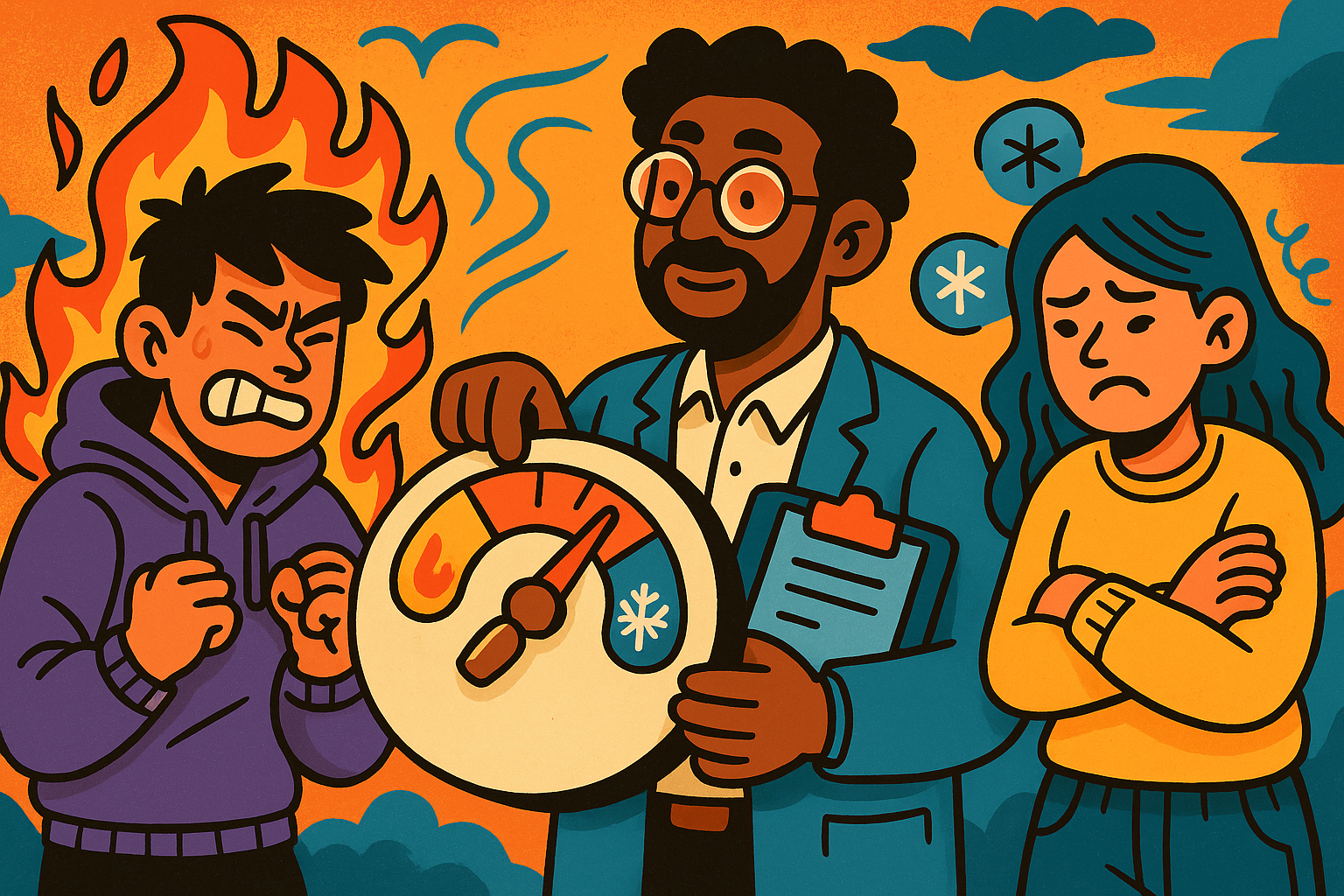
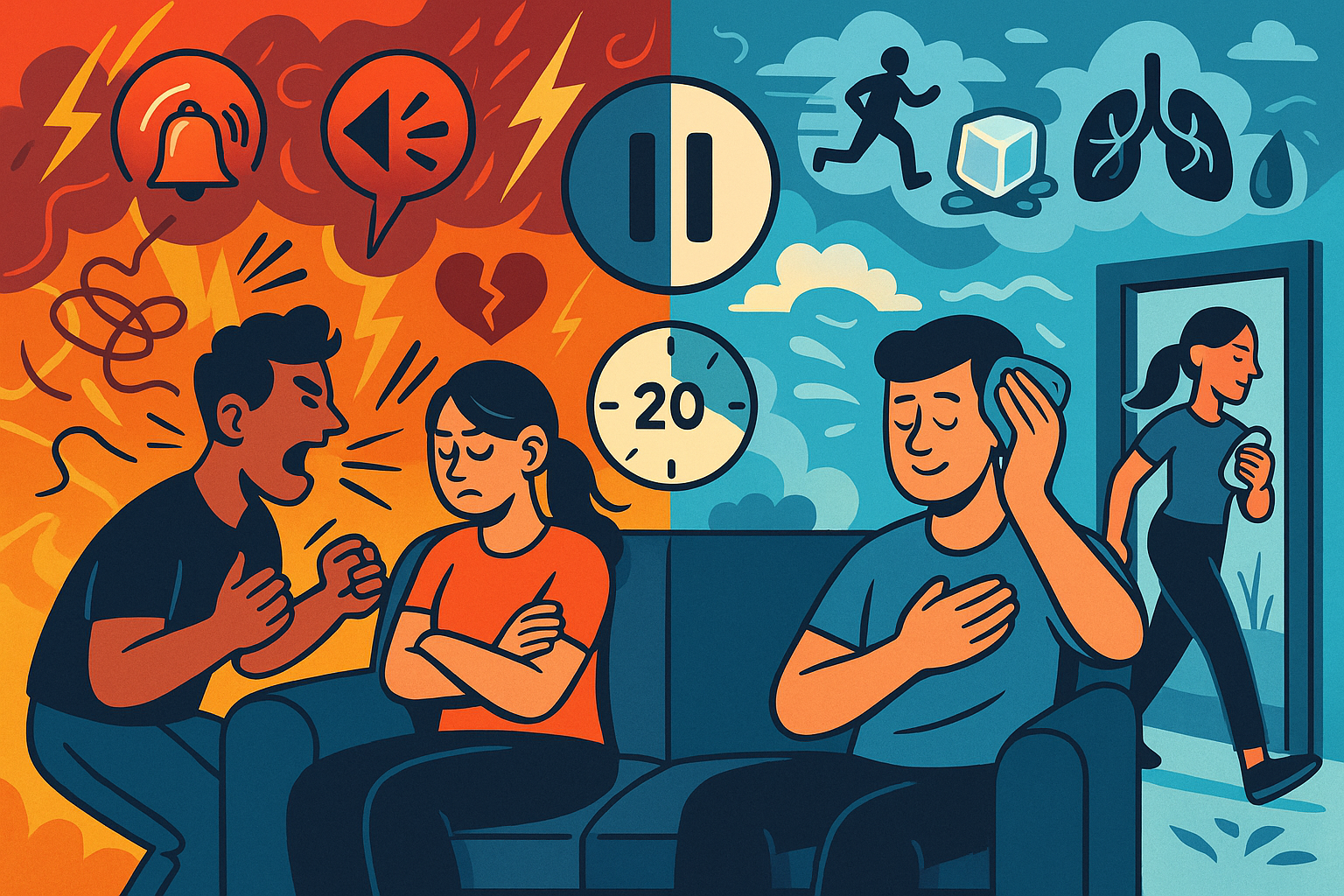
One of the most common—and painful—dynamics I see in my practice is the “anxious-avoidant trap.” It’s the classic pursuer-distancer dance. The anxious partner, fearing abandonment, pushes for more connection, more communication, more reassurance. The avoidant partner, fearing engulfment, feels suffocated by this and pulls away, needing space.
This creates a vicious cycle:
- The anxious partner senses distance and their alarm bells go off. They “pursue” by calling, texting, or initiating “the talk.”
- The avoidant partner feels pressured and overwhelmed. Their instinct is to “distance” by shutting down, becoming quiet, or physically leaving.
- The anxious partner interprets this withdrawal as confirmation of their deepest fear: “They’re leaving me!” This sends them into a panic, causing them to pursue even more intensely.
- The avoidant partner feels even more suffocated, confirming their belief that relationships threaten their autonomy, and they withdraw further.
This painful dance is where we often see what my colleague Dr. John Gottman calls the “Four Horsemen of the Apocalypse” in action. The anxious partner’s pursuit can escalate into Criticism (“You never make time for me!”) or even Contempt (“You’re so selfish!”). The avoidant partner’s withdrawal is a textbook example of Stonewalling—an emotional shutdown that makes connection impossible.
A Note from Dr. Love: If you’re in this cycle, please know it’s not a sign of failure. It’s a clash of survival strategies. Each partner is desperately trying to feel safe, but their methods directly threaten the other’s sense of safety. The first step to breaking the cycle is recognizing it without blame.
Discover Your Style: Your Free PDF Quiz
Now it’s time to get a clearer picture of your own relationship blueprint. I’ve designed a simple, educational quiz based on the two core dimensions of attachment: attachment anxiety (the degree to which you fear rejection and abandonment) and attachment avoidance (the degree to which you feel uncomfortable with closeness and emotional intimacy).
This quiz is a tool for self-reflection, not a clinical diagnosis. Its purpose is to give you a starting point, a language to understand your relational patterns, and a foundation for growth.
Download Your Free Attachment Style Quiz
Take the first step towards understanding your relationship patterns and building healthier connections.
*Disclaimer: This quiz is for educational purposes only and is not a substitute for professional psychological advice, diagnosis, or treatment.
The Path to “Earned Security”: You Are Not Stuck
Here is the most important message I can share with you today: Your attachment style is not a life sentence.
Thanks to something called neuroplasticity—our brain’s incredible ability to change and form new neural pathways—you can consciously and deliberately move toward a more secure way of relating. We call this achieving an “earned secure attachment.” It’s about doing the work to give yourself the safety and compassion you may not have received in childhood.
The journey involves both inner work (changing your relationship with yourself) and outer work (changing how you relate to others).
1. Start with Yourself: Become Your Own Secure Base
- Practice Self-Awareness: Begin to notice your triggers without judgment. When you feel that familiar surge of anxiety or the urge to pull away, just pause. Name the feeling. “I’m feeling anxious because I haven’t heard from them.” This simple act creates space between the trigger and your reaction. Mindfulness and journaling are excellent tools for this.
- Cultivate Self-Compassion: This is about “re-parenting” yourself. When your inner critic flares up (“I’m too needy,” “I’m unlovable”), respond with the kindness you would offer a dear friend. Acknowledge the pain of the underlying wound and offer yourself the reassurance you’re seeking externally.
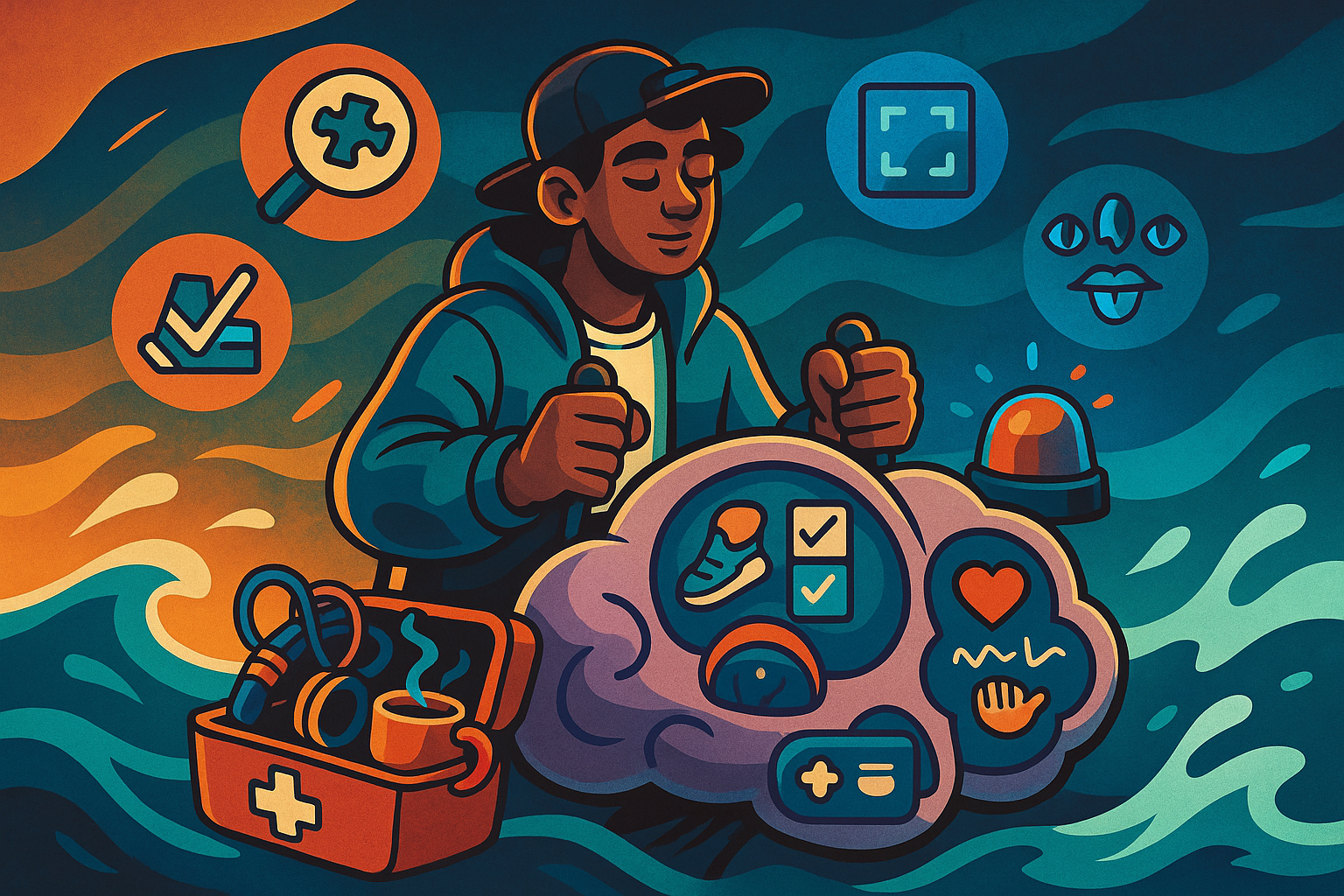
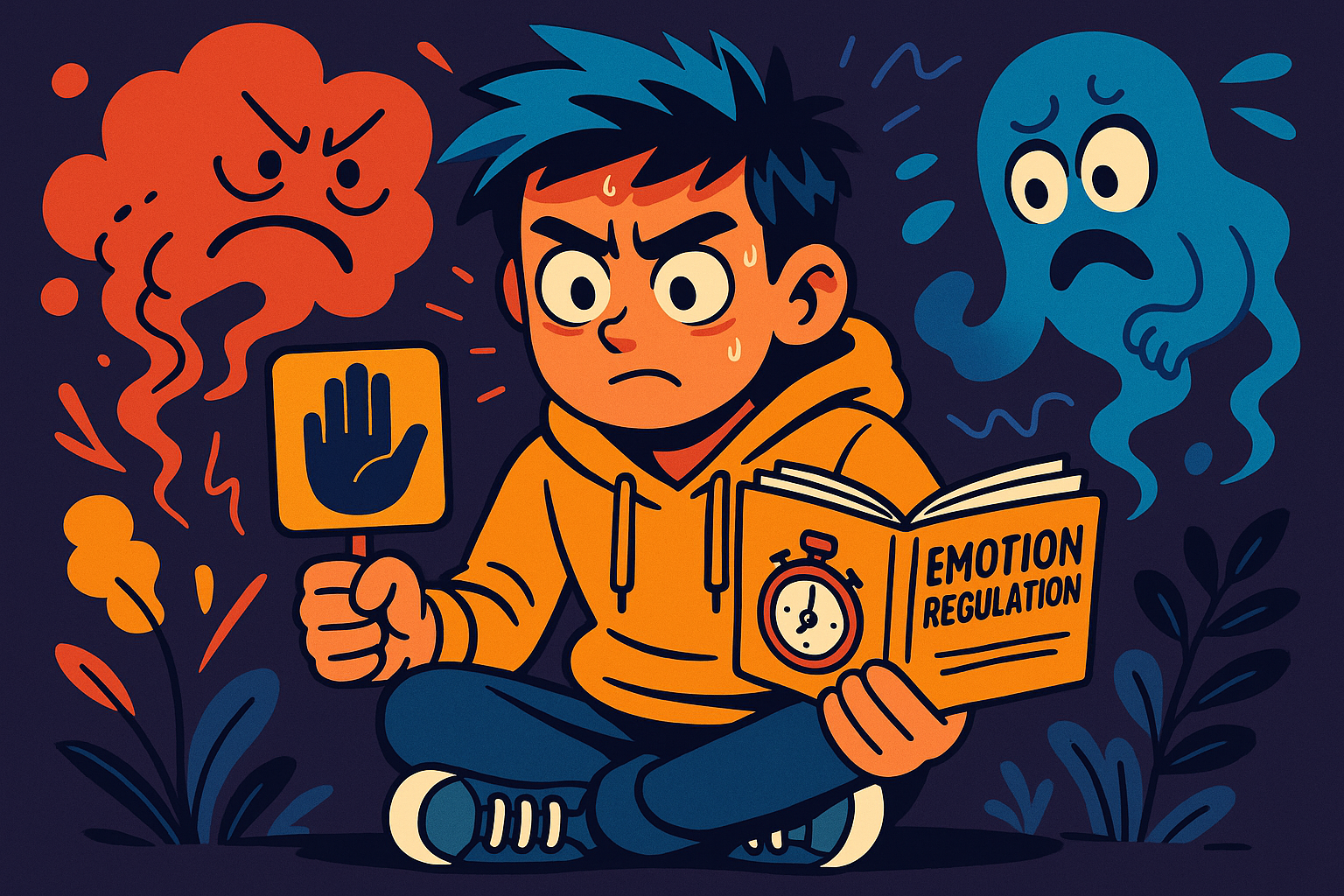
- Master Emotional Regulation: Instead of letting your emotions hijack you, develop a toolkit to soothe your nervous system. This could be deep breathing, going for a walk, listening to calming music, or practicing grounding techniques. The goal is to learn that you can survive uncomfortable feelings without resorting to old, destructive patterns.
2. Transform Your Relationships: Practice Secure Behaviors
- Communicate Your Needs Directly: This is the antidote to insecure strategies. Instead of using protest behavior (criticism, manipulation), an anxious person can learn to say, “I’m feeling a little disconnected and would love some reassurance.” Instead of stonewalling, an avoidant person can learn to say, “I’m feeling overwhelmed and need some space to myself for an hour, but I’m not leaving you.”
- Set Healthy Boundaries: Boundaries are not walls; they are guidelines for respectful engagement. They are about defining what you need to feel safe in a relationship. Learning to say “no” respectfully and to honor the “no” of others is a cornerstone of self-worth and security.
- Choose Secure Partners (or Build Security Together): Being in a relationship with a securely attached person can be incredibly healing. They model healthy behavior and can provide the consistent, reliable base you need to heal. If your partner is also insecure, you can both commit to working on these principles together, becoming a “secure base” for one another’s growth.
Your Journey Starts Now
Understanding your attachment style is like being given a map to your own heart and the hearts of others. It illuminates the “why” behind your behaviors, replaces shame with compassion, and provides a clear path forward.
It’s not about becoming a perfect, emotionless robot. It’s about learning to navigate your needs and fears with skill and kindness. It’s about moving from unconscious reactions to conscious choices. This is the foundation of building a relationship that is not just about surviving, but about thriving.
So, I’ll leave you with a question: Based on what you’ve learned today, what is one small, compassionate step you can take to move toward security? Perhaps it’s downloading the quiz, practicing a moment of self-compassion, or sharing this article with your partner.
Share your first step in the comments below. I’d love to hear from you.